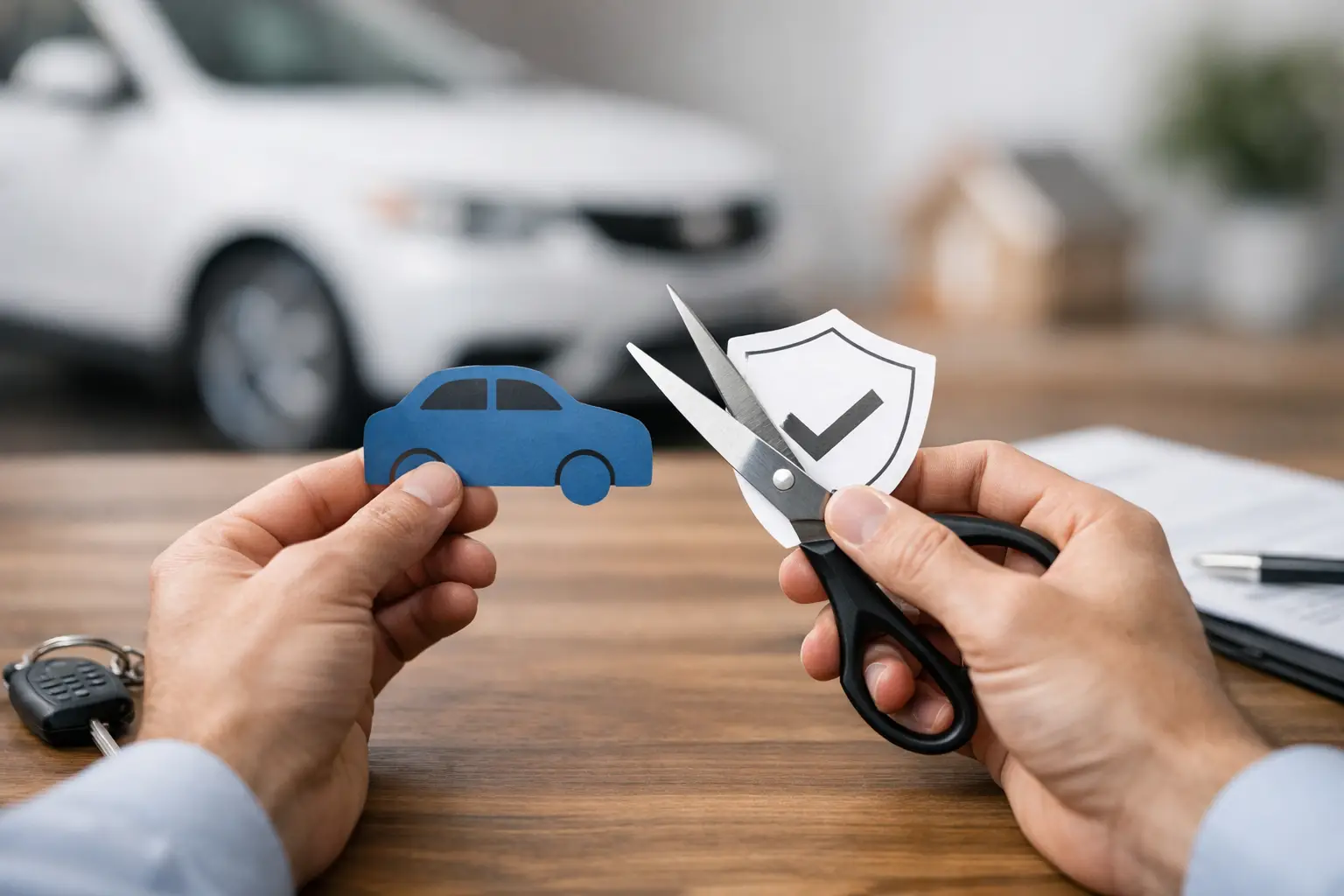
A lot of drivers do not realize they are paying for coverage they added years ago, forgot about, or never really needed in the first place. If you are trying to figure out how to remove unnecessary car coverage, the goal is not to strip your policy down to the cheapest option. The goal is to stop paying for protection that does not match your car, your budget, or your household risks.
That matters even more right now. Premiums have gone up across New Hampshire and Maine, and many households are feeling it. When rates rise, the smartest move is not always shopping for a different company first. Often, it starts with cleaning up the policy you already have.
Start with what each coverage actually does
Before you remove anything, make sure you know what you are looking at. Many policies include a mix of required coverage, valuable optional protection, and extras that may or may not still fit your situation.
Liability coverage pays for damage or injuries you cause to others. This is not the place to cut blindly. State minimums may satisfy the law, but they often fall short when there is a serious accident. For families, homeowners, and drivers with savings to protect, low liability limits can create more risk than savings.
Collision coverage pays to repair your car after an accident, regardless of fault. Comprehensive covers things like theft, vandalism, falling branches, animal strikes, and weather damage. Medical payments or personal injury protection can help with injury-related costs, depending on the policy and state rules. Uninsured or underinsured motorist coverage can protect you if another driver has too little insurance or none at all.
Then there are the add-ons. Rental reimbursement, roadside assistance, loan or lease gap coverage, custom equipment coverage, and accident forgiveness can all be useful. They can also become unnecessary over time.
How to remove unnecessary car coverage without creating a gap
The biggest mistake drivers make is cutting the wrong thing. A small savings today can turn into a much larger bill later if a claim happens and the policy no longer fits.
A good review starts with three questions. What is legally required? What would cost you the most out of pocket if something happened? And what protection do you already have somewhere else?
For example, roadside assistance may already come through a vehicle warranty, a motor club membership, or even a credit card benefit. Rental reimbursement may not be worth it if your household has a second car available. Gap coverage may no longer be needed if your loan balance is now lower than the car’s value. These are the areas where trimming often makes sense.
On the other hand, removing comprehensive on a car that still has real value can backfire fast, especially in northern New England where weather, wildlife, and winter road conditions are part of everyday driving.
Coverage areas that are often unnecessary
Some policy features deserve a closer look because they are commonly carried longer than needed.
Rental reimbursement
This coverage helps pay for a rental car while your vehicle is being repaired after a covered claim. It is useful for households with one car or for drivers who cannot miss work. But if you have another vehicle at home, work remotely, or could manage transportation another way, this may be an easy place to save.
Roadside assistance
Roadside assistance is convenient, but not always necessary on your auto policy. If you already have towing and battery service through another program, paying for it twice does not help. It is also worth asking how roadside claims are handled. In some cases, frequent use can affect your insurance history more than people expect.
Gap coverage on an older loan
Gap coverage makes sense when you owe more than the vehicle is worth. That is common early in a loan or lease. But if you have been paying down the loan for a while, the gap may be gone. At that point, keeping the coverage is just another line item on the bill.
Extra custom equipment coverage
If you once added protection for aftermarket wheels, sound systems, or accessories you no longer have, remove it. This kind of endorsement is easy to overlook because it may stay attached at renewal.
When collision or comprehensive may no longer make sense
This is where drivers can often save the most, but it depends heavily on the car.
If your vehicle is older and worth only a few thousand dollars, paying for collision and comprehensive may not be worthwhile, especially if you also carry a high deductible. The math matters. If your annual premium for those coverages is high and the maximum likely claim payout is low, the benefit may be limited.
Still, value is not the only factor. Ask yourself whether you could afford to replace the car out of pocket if it were totaled tomorrow. If the answer is no, keeping at least comprehensive or both coverages may still be the safer choice. A low-value car can still be a major financial problem if you depend on it to get to work or get your kids where they need to go.
In Maine and New Hampshire, comprehensive often deserves extra consideration because of deer strikes, storm damage, ice, and fallen trees. Removing it may save money, but the trade-off is real.
Do not confuse cheap coverage with smart coverage
Trying to cut costs is reasonable. Cutting protection your household would actually need is a different story.
Liability, uninsured motorist coverage, and medical-related protection are often more important than drivers realize. These do not repair your own car the way collision does, so they can feel less tangible. But they protect against serious financial damage after an accident. Removing them or lowering them too far to save a few dollars can expose your income, savings, and future earnings.
This is especially true for households with teen drivers, multiple vehicles, or anyone driving regularly in busy commuting areas. The right move is usually to remove outdated extras first, then review deductibles, then compare carriers if needed.
A simple way to review your policy
If you want a practical answer to how to remove unnecessary car coverage, review the policy line by line with your current declarations page in front of you. Look at each vehicle separately, because what makes sense for one car may not make sense for another.
Check whether the vehicle still has a loan or lease. Estimate the current value of the car. Review your deductibles and ask whether they match your emergency savings. Then look for overlap with other services you already have.
Also check for life changes. If your commute is shorter now, a child moved out, you sold a vehicle, or you now have better financial reserves, your old policy structure may no longer fit. Insurance should change when your household changes.
Local drivers should think beyond price
In New Hampshire and Maine, local driving risks are not theoretical. Winter weather, rural roads, long commutes, and animal collisions all affect what coverage is worth keeping. A policy that looks lean on paper can become expensive quickly if it does not reflect how and where you actually drive.
That is why a local review can help. A licensed professional who works with personal auto insurance every day can usually spot the difference between useful protection and wasted premium much faster than a generic online checklist. At Carinsurancehelper.com, that review is built around a simple question: what should stay, what should go, and where can you cut costs without exposing your family?
How to remove unnecessary car coverage the right way
Do not cancel pieces of your policy one by one without understanding the effect on the whole plan. Some coverages work together, and some lender requirements may still apply if the car is financed. Ask for updated quotes before making changes so you can see the actual savings, not just assume them.
It also helps to compare a few versions of the policy. One option might remove rental and roadside assistance. Another might raise deductibles while keeping comprehensive and collision. A third might keep the same protections but move to a different carrier with better pricing. The best answer is often a combination, not one big cut.
If your policy feels confusing, that is normal. Most people do not review endorsements and limits every day. Getting a second opinion can save money, but just as importantly, it can help you avoid the false savings that come from removing the wrong coverage.
The best policy is not the one with the most line items or the lowest premium. It is the one that fits your car, your risk, and your household well enough that you can drive without second-guessing every choice.
Leave a Reply